Chairperson for Wamaka Cooperative
By Khalani Makunje and Mark Ndipita
On the boundary between Mzuzu and Nkhata Bay district, Wamaka Aquaculture Cooperative Society Limited is aiming to achieve MK98 million annual revenue with fish farming. What was once a struggling community fish farming initiative has now become one of the most promising aquaculture enterprises in the northern region of Malawi. This is a result of the matching grant support from the Agricultural Commercialization (AGCOM 2) Program.
The cooperative occupies a unique geographical advantage. Although physically located close to the bustling urban market of Mzuzu City, it falls under the administration of Traditional Authority Mthula in Nkhata Bay district. This positioning allows the cooperative to access lucrative urban markets while benefiting from technical support provided through the Nkhata Bay district agriculture office.
Today, the cooperative is charting an ambitious path toward commercial aquaculture, with projected annual revenues expected to rise from MK14 million to an impressive MK98 million.
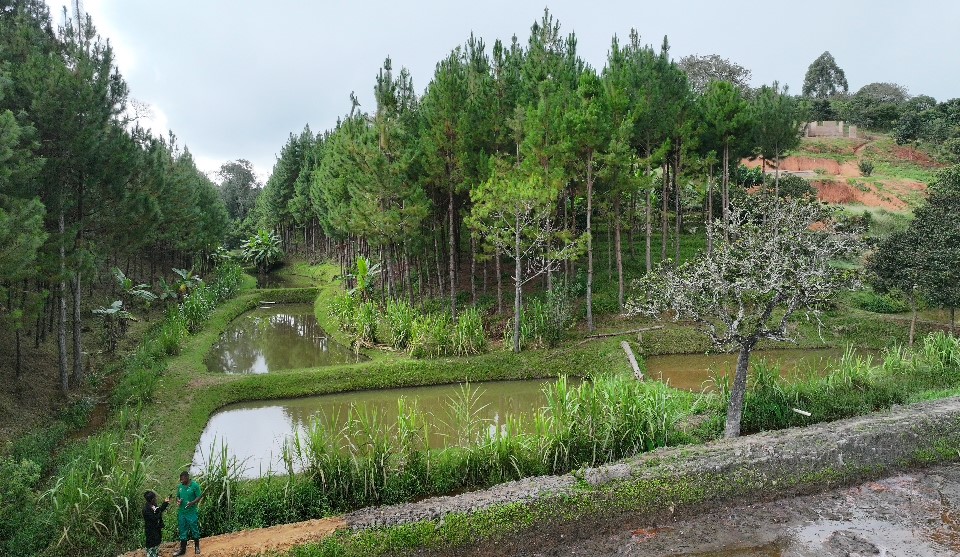
The story of Wamaka cooperative began in 2001 when fifteen determined young people decided to revive fish ponds that had long been abandoned by their parents and elders.
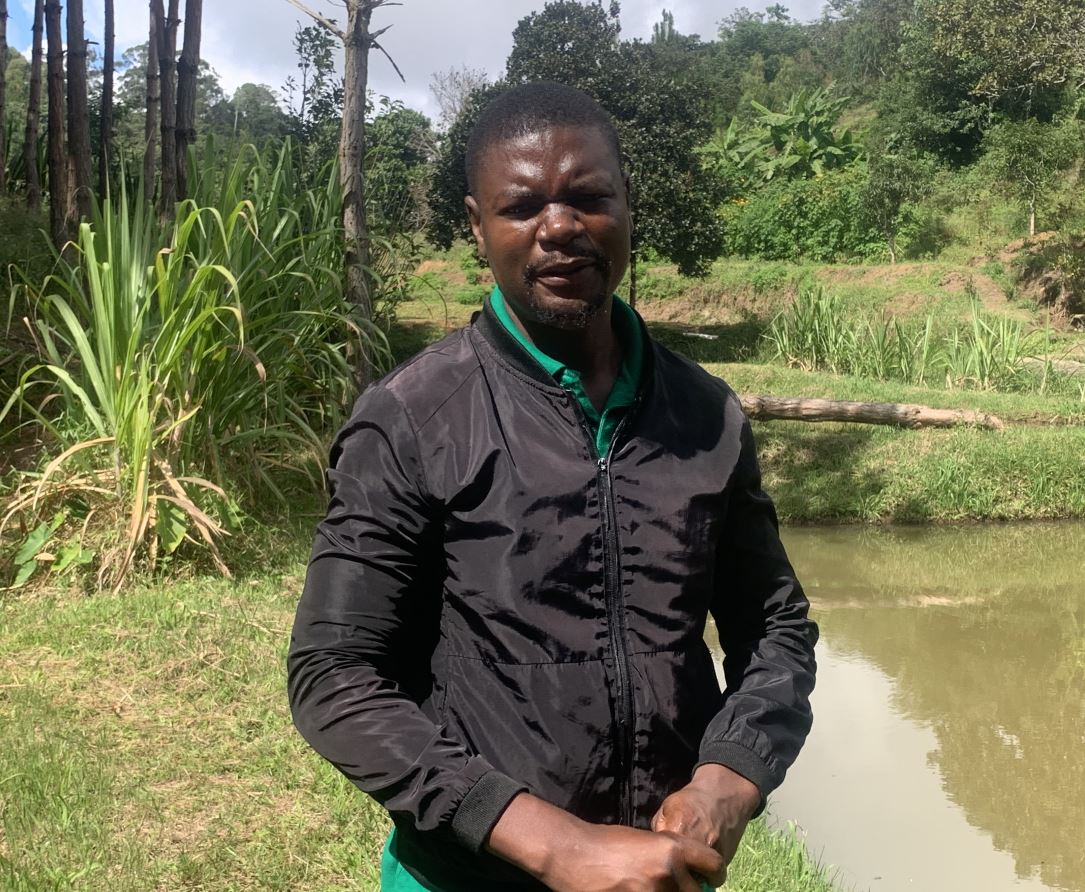
“Our parents could no longer manage the ponds because of age and declining strength,” recalls Chairperson Francis Chirambo. “As young people, we felt we could not allow the tradition and opportunity to die.”
Using traditional fish farming methods passed down from previous generations, the cooperative struggled to increase production. The five ponds they inherited produced low yields, generating less than MK6 million per harvest. Without adequate technical skills, organized markets, or modern production systems, profitability remained painfully low.
“With such limited income, it was difficult for each of us to earn meaningful profits or raise enough capital for the next production cycle,” explains Chirambo. “At times, we questioned whether the business could truly change our lives.”
The challenges threatened not only the sustainability of the enterprise, but also the aspirations of the young people behind it.
Determined to find solutions, members of the cooperative began searching for opportunities that could help them commercialize their aquaculture business. Their breakthrough came when they saw a newspaper advertisement from the AGCOM 2 Program inviting producer organizations to submit concept notes for matching grants.
For Wamaka Cooperative, that announcement became the beginning of a new chapter.
After successfully submitting their proposal, the cooperative secured a MK140 million matching grant under AGCOM 2 which was a massive investment that is now transforming both the scale and vision of the enterprise.
“What AGCOM 2 has done for us is beyond financial support,” says Chirambo. “The project has given us confidence, knowledge, and a future. We are no longer thinking as subsistence fish farmers; we are now thinking as commercial producers.”
Using the first tranche of the grant, the cooperative has embarked on major infrastructure expansion, including the construction of two large ponds measuring 50 by 30 meters and 20 by 30 meters respectively.
The larger pond will accommodate 9,000 fingerlings, while the second pond will stock 5,000 fingerlings which is a dramatic increase compared to the cooperative’s previous production capacity.
Under normal cold weather production conditions, the larger pond is expected to produce nearly four metric tons of fish within eight months, while the second pond will yield approximately two metric tons. Combined with existing ponds, annual production is projected to increase from one ton to seven tons.
While increasing production remains a major priority, Wamaka Cooperative is also pursuing value addition as a strategy for maximizing profits and expanding markets.
The cooperative plans to diversify into smoked fish, dressed fish portions, and fish snacks. Members are particularly excited about their long-term ambition of venturing into canned fish production which is a rare undertaking among community cooperatives in Malawi.
“Our dream is to see Wamaka products on supermarket shelves across Malawi and beyond,” says Chirambo. “Tinned fish is our winning card because it will allow us to compete at a much higher level.”
To prepare for this transition, cooperative members have already undergone specialized fish processing and value addition training through AGCOM 2 support, including advanced exposure visits and training sessions in Tanzania.
The training has equipped members with modern skills in processing, packaging, hygiene standards, and quality management.
The cooperative also intends to secure certification from the Malawi Bureau of Standards, which members believe will open doors to both local and export markets.
“We are learning that quality is everything,” explains another cooperative member. “If we maintain standards, our fish products can compete anywhere.”
Unlike many smallholder farmers who struggle to find buyers, Wamaka Cooperative is already establishing strong market linkages.
The cooperative has secured supply arrangements with supermarkets in Mzuzu City, while demand from local vendors and surrounding communities continues to grow steadily.
Beyond profit making, the cooperative is also contributing to improved food and nutrition security within nearby communities.
The marketing committee deliberately sells part of the fish harvest at affordable prices to surrounding households, thereby helping more families, especially children to access protein-rich food.
“We want the community around us to benefit as well,” says Chirambo. “Good nutrition is important for children’s growth, and fish provides affordable protein.”
The initiative aligns closely with AGCOM 2’s broader objective of promoting commercialization while simultaneously improving livelihoods, food security, and rural incomes.
One of the most remarkable impacts of the project has been the social and economic transformation among young people involved in the cooperative.
What started as an effort to revive abandoned ponds has now become a structured business enterprise creating employment, income, and purpose for youth.
“At the moment, even the small profits we have been making are already improving our members’ socio-economic lives,” says Chirambo with a smile. “With this grant, we believe life will become much better for all members.”
Fish currently sells at approximately MK14,000 per kilogram. With projected annual production increasing to seven tons, the cooperative expects annual revenues to rise to around MK98 million. After operational expenses, members anticipate profits of nearly MK75 million annually.
Members contribute minimum shares of MK20,000 each, with profits distributed according to individual capital contributions.
The cooperative leadership says the project is already reducing risky and unproductive behaviour among young people by engaging them in profitable economic activities.
“Our youth are becoming socially and economically empowered,” explains Chirambo. “Instead of remaining idle, they are now participating in a business that gives them hope and dignity.”
To ensure accountability and efficiency, Wamaka Cooperative operates through specialized committees responsible for production, procurement, marketing, and social welfare.
The production committee coordinates feeding schedules, pond maintenance, and daily operations, ensuring that every member actively contributes to the success of the enterprise.
Meanwhile, the cooperative is also investing in long-term sustainability strategies.
Plans are underway to procure a fish feed processing machine, which will allow members to manufacture feed using locally available materials instead of relying entirely on expensive commercial feed.
Feed is one of the biggest costs in fish farming. Producing own feed will significantly reduce expenses and increase profits for the cooperative.
The cooperative also plans to construct a modern processing house and storage facility equipped with refrigeration systems to preserve fish before distribution.
Members envision the facility becoming the foundation of a future fish processing factory capable of serving larger domestic and regional markets.
The cooperative’s progress has also been strengthened through continuous technical support from extension officers under the Nkhata Bay district agriculture office in Kavuzi Extension Planning Area.
Extension staff regularly provide guidance on pond management, stocking densities, feeding practices, disease prevention, and water quality management to ensure healthy fish growth and improved harvests.
Agriculture officials believe the cooperative represents the growing potential of aquaculture commercialization in Malawi.
Knowledge Mtambo is the Agribusiness Officer for Nkhata Bay district. He said, “Wamaka Cooperative demonstrates what can happen when organized farmers receive the right support, training, and investment. This is exactly the type of transformation AGCOM 2 is promoting in Nkhata Bay.”
Although the cooperative started with very little and many people doubted, Chirambo explains that today, they can proudly say fish farming is changing their lives. He said, “AGCOM 2 has helped us dream bigger, and now with fish farming we believe anything is possible.”
- 274 views